May 15, 2026 • Margot Ellery • 9 min reading time • Prices verified June 13, 2026
Double Strollers for Two Kids: Tandem, Side-by-Side, and Sit-and-Stand Options Compared
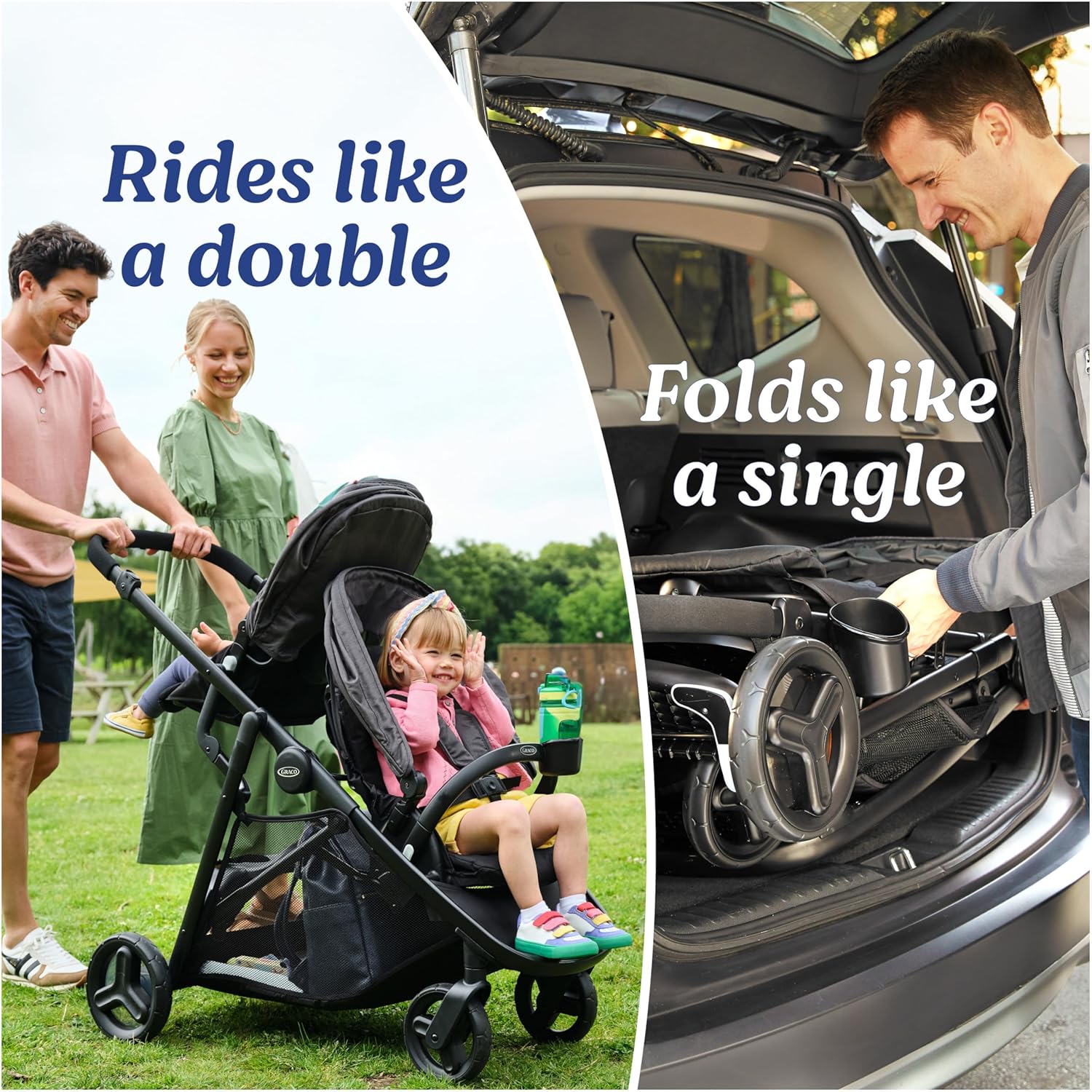
If you’ve ever pushed a single stroller and thought, this is already a lot of vehicle — welcome to the double stroller conversation. A double stroller is exactly what it sounds like: a stroller designed to carry two children simultaneously, whether they’re twins of the same age or siblings at different developmental stages. The category splits into three main formats. A tandem stroller seats one child in front of the other, like a train car. A side-by-side stroller positions both children next to each other, like two seats in a row. A sit-and-stand stroller (sometimes called a ride-and-stand) gives the younger child a full seat while the older sibling rides on a rear platform or jump seat — a format built for the gap between “too tired to walk” and “doesn’t really need a full seat anymore.” This guide will help you figure out which format fits your family, which specific models are worth your money at each price point, and what the real-world tradeoffs look like before you commit.
The Format Decision: What You’re Actually Choosing Between
The format question isn’t just a preference — it’s a geometry problem with real downstream consequences for your daily life. Here’s what each format actually costs you and gives you.
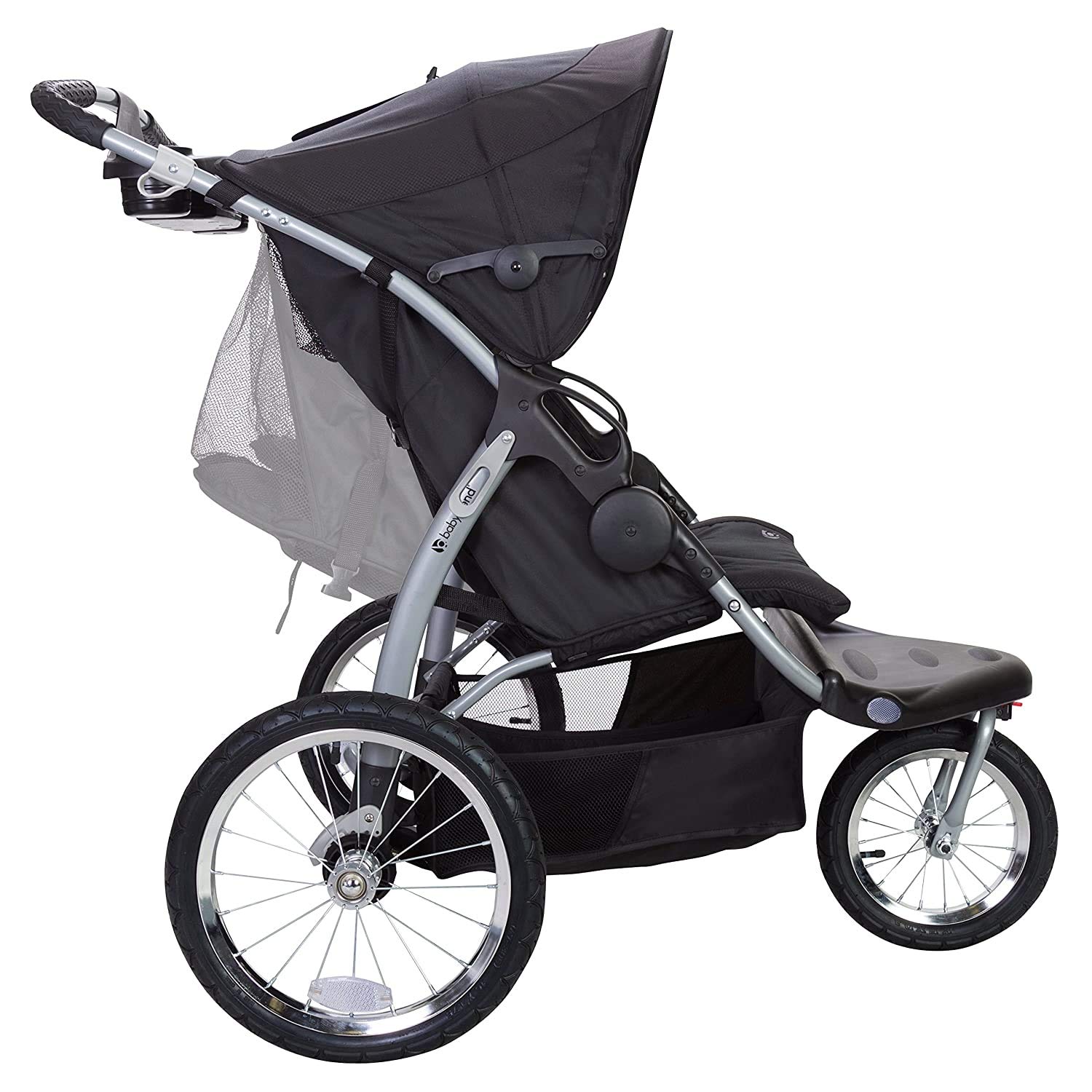
Tandem strollers are the workhorses of the category. Because they’re narrow — most run 24–27 inches wide versus 29–31 inches for side-by-sides — they fit through standard doorways and navigate grocery store aisles without the sideways shuffle. The tradeoff is that one child, almost always the younger one, sits lower and closer to the ground, which means less airflow, a worse sightline, and more exhaust-level exposure on busy streets. The rear child in a true tandem also gets significantly less canopy coverage. According to Wirecutter (New York Times), Best Double Stroller, canopy coverage asymmetry is one of the most common owner complaints in the tandem category, with rear-seat shade described as an afterthought on many models.
Side-by-side strollers solve the equality problem: both children get identical recline, identical canopy, and identical sightlines. They also tend to ride better over uneven surfaces because weight is distributed evenly across the axle. The width penalty is real, though — a 30-inch stroller clears most doorways (standard U.S. door frames run 32 inches), but just barely, and UK terraced-house doorways, elevator gaps, and tight café entrances will test your patience. BabyGearLab, Double Stroller Reviews and Ratings, notes that side-by-side users report significantly more doorway friction in urban environments than tandem users do.
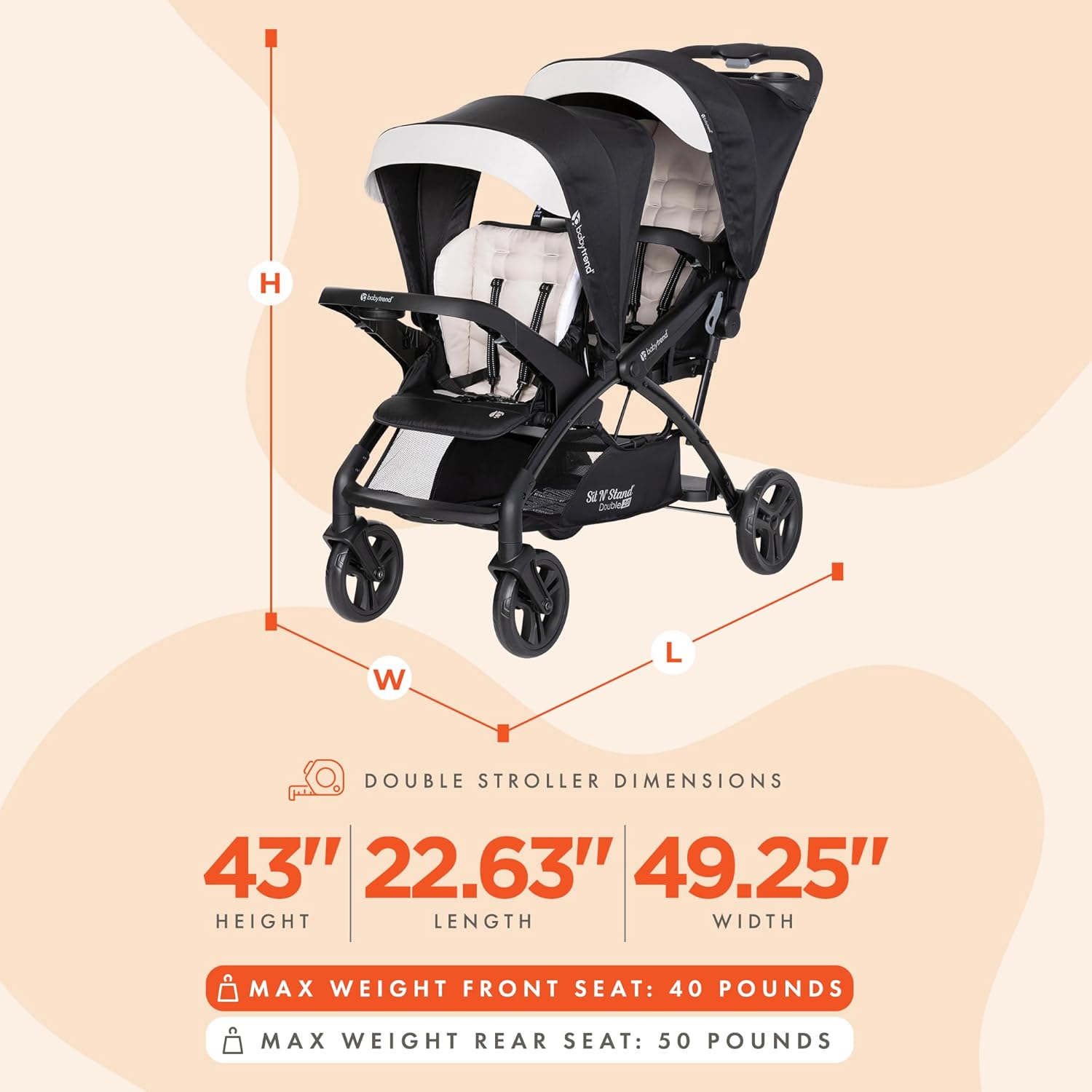
Sit-and-stand formats are underrated. They shine for the 18-month to 4-year age gap, where your older child can hop on and off independently, giving you a stroller that adapts to whether they’re tired or running ahead. The parent-facing geometry also tends to be more natural — you’re not steering a train. The honest limitation: they’re not suitable for two true infants, the standing platform has no harness, and the older child can step off mid-roll if they decide they’d rather run. According to Parents.com, Best Double Strollers of the Year, the sit-and-stand format is specifically recommended for families with a gap of 18 months or more, and advised against for families with twins or closely spaced infants.
By the Numbers: Key Specs Across Formats
| Format | Typical Width | Suitable Age Range | Average Price Range (2026) | Fits Standard Doorway? |
|---|---|---|---|---|
| Tandem | 24–27 in | Newborn + infant/toddler | $400–$1,400 | Yes (comfortably) |
| Side-by-Side | 29–31 in | Newborn + newborn, or toddler + toddler | $350–$1,200 | Tight but usually yes |
| Sit-and-Stand | 22–25 in | Infant + 18-month+ | $200–$600 | Yes (easily) |
The Models Worth Knowing at Each Tier
Budget and Mid-Range Entry Points ($200–$600): Value-Driven Formats
The Joovy Caboose Ultralight Graphite (~$350) is the sit-and-stand answer for families watching the budget without sacrificing functionality. It runs approximately 20.5 inches wide, which is genuinely narrow for a two-child stroller, and the standing platform sits at a comfortable step height for toddlers who can’t quite manage a full lift. Owners consistently report that the lightweight aluminum frame makes a real difference over a full day of use. The limitation is that it’s utilitarian — there’s no premium colorway story here, the canopy is basic, and the ride quality on cobblestones or gravel paths is firmly “functional.” If your older child is at least 18 months and walks independently most of the time, this format earns its keep.
Baby
$209.99
In stock on Amazon
Check price on AmazonMid-Range Purpose-Built Doubles ($400–$800): Where Most Families Land
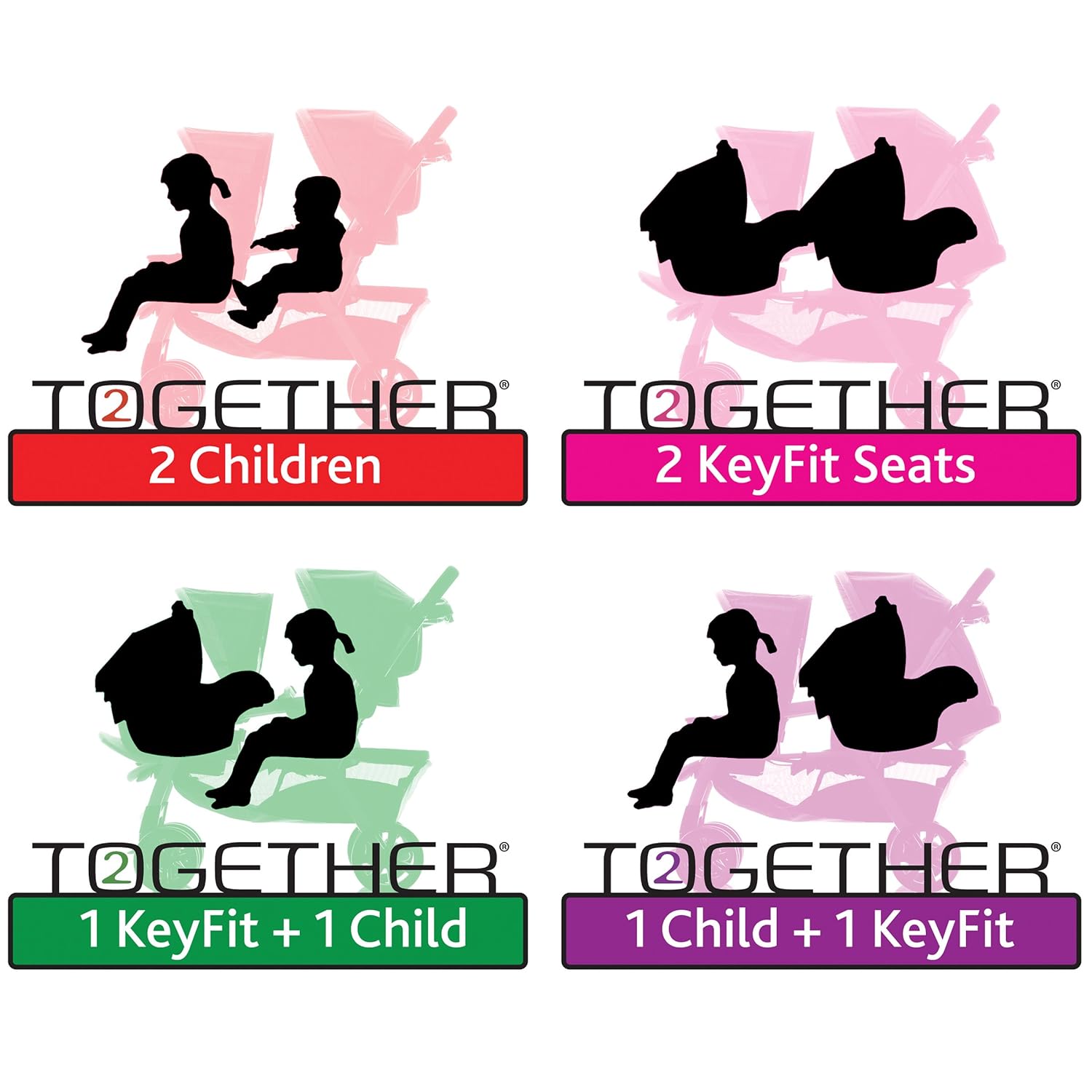
The Chicco Bravo For2 LE (~$450–$500) is a purpose-built tandem with more than entry-level finish. Both seats are rated for infants with the included head support, and the fold is compact enough to fit in a mid-size SUV cargo area. Good Housekeeping, Best Double Strollers Tested by Experts, highlights the Bravo For2 LE’s one-hand fold as one of the smoother executions in the category at this price point. The rear canopy is still smaller than the front — that’s unavoidable in the tandem format — but it’s meaningfully better than the budget competition. For families with an age gap under 18 months who need two infant-capable seats without crossing into four-figure spending, this is the honest starting point.
The UPPAbaby Vista V2 (~$1,100 as a single, with the RumbleSeat V2 add-on bringing the total to roughly $1,350) is technically a convertible single-to-double rather than a purpose-built double — but it deserves a mention because it’s the most common real-world answer to “what do people with two kids under three actually push?” The RumbleSeat V2 clips to the chassis below the main seat, creating a tandem configuration where a toddler faces forward in the upper seat and an infant rides reclined below. The Bump, Best Double Strollers, rates this as one of the cleanest conversion systems on the market for families who want a functional single on the other side of the double stage.
Baby
$215.99
In stock on Amazon
Check price on AmazonPremium Doubles ($900–$1,900): When the Details Matter
The Bugaboo Donkey 5 Duo (~$1,700–$1,900 configured as a true duo) is the premium side-by-side option worth knowing. It expands from a single to a side-by-side by adding a second seat and widening the chassis — meaning you can buy it as a single and convert it later, which matters for families who aren’t sure when or whether a second child is coming. The fold is more involved than a dedicated double, and the width when fully expanded (approximately 31 inches) is real. But the ride quality — particularly over cobblestones and uneven urban surfaces — is consistently praised in long-run owner reviews. BabyGearLab, Double Stroller Reviews and Ratings, notes the Bugaboo Donkey 5’s handlebar height as one of the most ergonomically comfortable in the side-by-side category, which matters when you’re pushing a 40-plus pound loaded stroller over several miles.
For families committed to genuine all-terrain capability with two children, it’s worth naming honestly that the double stroller category still has a meaningful gap at the premium end — most “all-terrain” doubles are compromise products. Parents who need actual trail capability with two kids consistently find themselves either accepting the stroller’s limits or moving to a cargo bike configuration, which is a separate conversation.
Chicco
$359.99
In stock on Amazon
Check price on AmazonThe Real Tradeoffs No One Talks About
Car fit is the hidden dealbreaker. A fully loaded tandem double stroller can run 40–50 lbs before children or bags. If you drive a compact SUV or hatchback, check the folded dimensions of any double before purchasing — not the “fold is compact” claim in the marketing copy, but the actual folded length × width × height against your cargo floor measurements. The Bump, Best Double Strollers, specifically recommends physically measuring your cargo area with the rear seats up before finalizing any double stroller purchase. This is genuinely useful advice that the product listings won’t remind you of.
Resale dynamics shift meaningfully with doubles. Singles at the premium tier hold value well because demand is broad. Doubles hold value more variably — the market is smaller, and model-year-specific compatibility questions (which car-seat adapters work with which seat configuration) make secondhand buyers more cautious. Tandem doubles generally retain roughly 40–55% of retail value at two to three years of age, compared to 50–65% for comparable single strollers from the same brands. If resale value is part of your math, it’s a legitimate reason to lean toward the convertible-single-to-double approach (Vista V2, Bugaboo Donkey 5) over a purpose-built double — you get a functional single on the other side of the double stage.
The age-gap variable overrides most other factors. The sit-and-stand format’s limitation isn’t the format — it’s the 18-month minimum on the standing platform. If your gap is 14 months, you’re in a different category than if it’s 26 months. If your gap is under 12 months, you likely need a true double with two infant-capable seats. If your gap is over 3 years, your older child may simply not need a stroller at all within 6–12 months of the new baby’s arrival, which shifts the value calculation toward a convertible single or a ride-on board attachment entirely.
The designer-tier conversion caveat. It’s worth naming explicitly for families researching at the top of the market: several premium single strollers — including the Stokke Xplory X and Silver Cross pram configurations — do not have a true double mode. Stokke’s answer for a second child is a sibling board ride-on attachment rather than a second seat. The Silver Cross Balmoral is a pram (a traditional flat-lying carriage for newborns) that converts to a pushchair for older infants and toddlers, with no double configuration. The design-object conversation and the “I need a functional double for two kids under three” conversation occasionally overlap, but usually don’t — knowing which one you’re in saves real money and frustration.
The Decision Rule
Work through these in order:
- Gap under 18 months or twins? You need a true double with two infant-rated seats. Tandem if width matters; side-by-side if equal seating matters more. Start with the UPPAbaby Vista V2 plus RumbleSeat V2 for the premium-convertible path, or the Chicco Bravo For2 LE for straightforward value.
- Gap 18 months to 3 years, older child still naps in the stroller? The sit-and-stand format won’t cut it — the older child needs a real seat. Tandem or convertible side-by-side. The Bugaboo Donkey 5 Duo justifies its price if urban ride quality and the eventual single-stroller resale matter to you.
- Gap 18 months to 3 years, older child walks independently and just needs an occasional ride? Sit-and-stand is probably your answer. The Joovy Caboose Ultralight Graphite covers the budget case well, or a ride-on board attachment for a premium single you already own.
- Gap over 3 years, older child is 4 or older? Honest answer: you may not need a double at all. A single stroller for the baby plus a ride-on board for the older child covers most daily situations and costs significantly less than any purpose-built double.
The format and the price tier are secondary decisions. Get the age-gap logic right first, and the rest of the category sorts itself out.